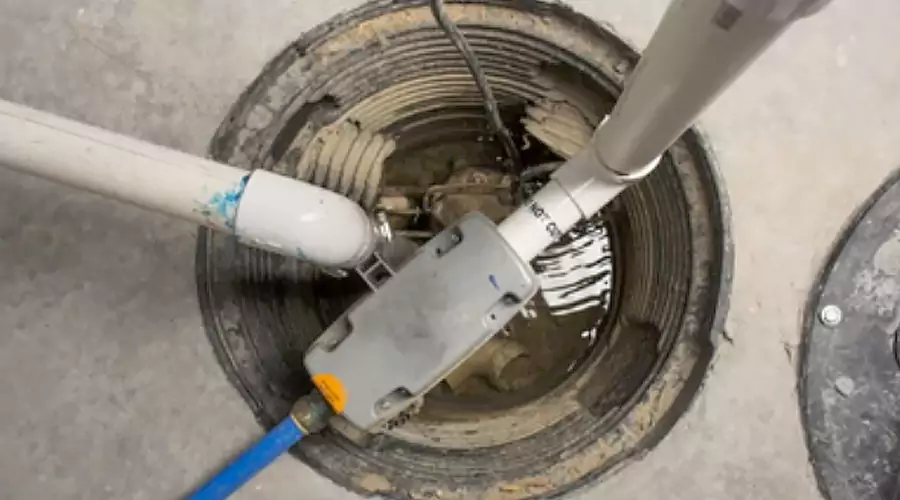




A sump pump is one of the most important tools for protecting your basement or crawl space from flooding, especially during heavy rain or melting snow. But when the sump pump fails — often when you need it most — the result can be costly water damage, mold growth, and structural problems. Knowing why sump pumps fail, how to spot the warning signs, and what you can do to prevent failure will keep your home dry and safe.
Before diving into failure causes and prevention, it's helpful to understand what your sump pump should be doing. Installed in a sump pit in your basement or crawl space, the pump detects rising water levels and automatically pumps excess water out and away from your home. That protects your foundation and prevents flooding.
Sump pumps are mechanical devices, and like all machines, they can fail — especially when they aren't maintained. Below are the most frequent causes homeowners encounter:
Many sump pumps rely solely on electricity. During storms, especially the heavy rain events that often cause flooding, power can go out when you need your pump the most — leaving your basement vulnerable.
Leaves, dirt, and debris can block the line that carries water away from your home. If water can't exit the sump pit, the pump may run continuously or burn out trying to push water through a clogged outlet.
The float switch is the part that tells the pump to turn on when water rises. If it becomes stuck due to debris or wear, the pump may never activate or may run non‑stop — both of which can lead to failure.
A pump that's too small for your home's water volume will be overwhelmed, while one that's too large can cycle excessively and wear out sooner. Improper installation can also lead to poor performance and early failure.
Neglecting regular inspections and cleanings is the number one reason sump pumps fail. Without maintenance, debris builds up, switches malfunction, and parts wear out unnoticed.
Sump pumps typically last about 7–10 years depending on use. Over time, motors, impellers, and other components degrade. If you're nearing the end of this range, the risk of failure increases significantly.
A check valve keeps water from flowing back into the pit after it's pumped out. If it fails, water can return to the pit, forcing the pump to work harder — or flood your basement while you're not looking.
Catching a pump failure early can save thousands in water damage repairs. Look for these signs:
A healthy sump pump typically hums quietly. Grinding, rattling, or loud buzzing can indicate a failing motor or clogged impeller.
If your pump starts cycling on and off too frequently or runs continuously even when there's little water in the pit, the float switch, basin size, or check valve may be the culprit.
Water on the floor or musty odors in the basement despite the pump running means it's not removing water effectively.
Corroded components or discharge pipes suggest long‑term wear and may indicate a pump near the end of its usable life.
If the pump fails to turn on when water rises, there's likely an issue with the float switch or power supply — test it with water to be sure.
Maintaining your sump pump and taking proactive steps can greatly reduce the chance of failure when it matters most:
Test your sump pump twice a year, especially before storm seasons. Simply pour a bucket of water into the pit — the pump should activate and clear the water quickly.
Clean debris from the sump pit, intake screen, and discharge line at least every few months to prevent clogs and motor strain.
Because power outages often coincide with heavy storms, a battery‑operated backup pump ensures your system keeps working even when electricity fails.
Make sure the float moves freely and isn't tangled or obstructed by debris. Clean around the float switch to prevent sticking.
Ensure the discharge line is clear and that water is diverted far enough from the foundation. Also check that the check valve functions correctly to prevent backflow.
Even with regular DIY checks, having a licensed plumber or waterproofing professional inspect your system yearly can catch issues early and extend your pump's life.
If your sump pump approaches 7–10 years old, consider replacing it before it fails. A newer model is more efficient and reliable during peak demand.
A sump pump that fails during a storm or heavy rain can lead to severely flooded basements, requiring immediate Basement Flood Clean Up, mold and mildew growth, and even structural damage to walls and flooring. Repair costs for basement water damage can run into the thousands — far more than the cost of maintaining or replacing your pump.
Understanding sump pump failure — its causes, warning signs, and prevention strategies — is crucial for any homeowner with a basement or crawl space. Regular testing, cleaning, and proactive maintenance help ensure your sump pump works when you need it most. Adding a battery backup and scheduling annual professional inspections further strengthens your home's defense against unexpected water damage. With attention and care, you can significantly reduce the risk of a pump‑related flood and protect your home for years to come.
Our certified experts are ready 24/7 to assist you with emergency restoration services.
GET A QUOTE